Home Remedy Pest Control Solutions
Home Remedy Pest Control Solutions: Natural Ways to Keep Your Home Pest-Free
Pests are one of the most common problems homeowners face year-round. Whether it’s ants in the kitchen, cockroaches in the bathroom, mosquitoes in the yard, or rodents in the attic, infestations can quickly become stressful and unhealthy. While professional pest control is often the most effective long-term solution, many homeowners also look for home remedy pest control solutions as a first line of defense.
In this guide, we’ll explore practical, natural, and cost-effective pest control methods you can use at home. We’ll also explain when DIY solutions are enough—and when it’s time to call experts like Max Pest Solutions.
Why Home Remedy Pest Control Matters
Home remedies are popular because they are:
Affordable and easy to prepare
Safer for children and pets when done correctly
Eco-friendly alternatives to harsh chemicals
Useful for early-stage pest problems
However, they are not always a permanent fix. They work best for prevention and mild infestations, not large-scale pest problems.
Understanding their limitations is just as important as knowing how to use them.
1. Vinegar Solution for Ants and Surface Pests
One of the simplest and most effective home remedies for ants is white vinegar.
How it works:
Vinegar disrupts scent trails that ants use to navigate, making it harder for them to find food sources.
How to use:
Mix equal parts water and white vinegar
Spray along entry points, countertops, and baseboards
Wipe surfaces regularly
Best for:
Ants
Fruit flies
General surface sanitizing
This is especially useful in kitchens where chemical sprays may not be preferred.
2. Baking Soda and Sugar for Cockroaches
Cockroaches are among the most resilient household pests. A simple DIY bait can help reduce their population.
How it works:
Sugar attracts cockroaches, while baking soda reacts with their digestive system.
How to use:
Mix equal parts baking soda and sugar
Place small amounts near corners, under sinks, and behind appliances
Important note:
This method is slow-acting and works best for minor infestations.
3. Essential Oils as Natural Repellents
Essential oils are powerful natural repellents for a variety of pests.
Popular options:
Peppermint oil (ants, spiders, rodents)
Lavender oil (mosquitoes, moths)
Tea tree oil (general insects)
Eucalyptus oil (flies and mosquitoes)
How to use:
Mix 10–15 drops with water in a spray bottle
Spray around doors, windows, and cracks
Soak cotton balls and place in hidden areas
Why it works:
Strong scents interfere with pests’ sensory systems, discouraging them from entering.
4. Lemon and Citrus Peels for Insects
Citrus is a natural insect deterrent.
How it works:
The acid and scent repel ants, spiders, and fleas.
How to use:
Rub lemon peels on window sills and entry points
Place dried citrus peels in cabinets
Use lemon juice mixed with water for cleaning surfaces
This is a simple, eco-friendly solution that also leaves your home smelling fresh.
5. Diatomaceous Earth for Crawling Insects
Diatomaceous earth (food-grade) is a powerful natural powder used in pest control.
How it works:
It damages the outer shell of insects, causing dehydration.
How to use:
Sprinkle lightly in cracks, behind appliances, and along baseboards
Leave for several days before vacuuming
Reapply as needed
Effective against:
Cockroaches
Bed bugs
Fleas
Ants
This is one of the most effective long-term natural pest control options.
6. Sticky Traps and DIY Monitoring
Not all pest control needs to kill insects immediately—monitoring is just as important.
DIY sticky trap ideas:
Honey on cardboard for ants
Flypaper strips for flying insects
Jar traps with sugar water for fruit flies
These help identify pest activity levels and infestation hotspots.
7. Keep a Clean and Pest-Free Environment
No home remedy will work if your environment attracts pests.
Essential prevention tips:
Clean kitchen surfaces daily
Store food in sealed containers
Take out garbage regularly
Fix leaking pipes and moisture issues
Seal cracks and entry points
Pests are mainly attracted to food, water, and shelter, so eliminating these reduces infestations dramatically.
When Home Remedies Are NOT Enough
While DIY solutions are helpful, they have limitations. You should consider professional pest control when:
You see pests during the daytime (sign of heavy infestation)
DIY treatments are no longer effective
You notice droppings, nests, or damage
The infestation keeps returning
You suspect termites or bed bugs
At this stage, home remedies may delay—but not solve—the problem.
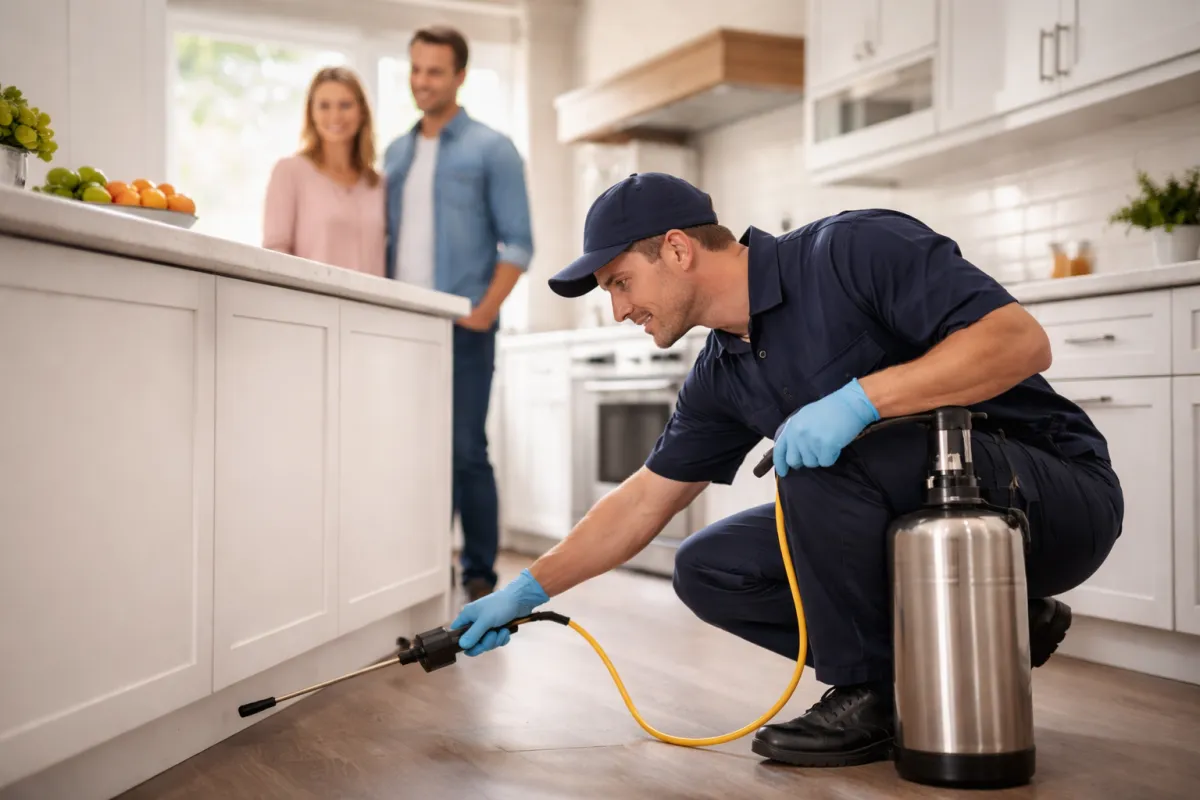
This is where professional services like Max Pest Solutions become essential for long-term protection.
Professional Pest Control vs Home Remedies
Home Remedies
Professional Pest Control
Low cost
Higher upfront cost
Good for prevention
Effective for infestations
Temporary results
Long-term solutions
Limited coverage
Full property inspection
The best approach is often a combination of both: use home remedies for prevention and professionals for treatment.
FAQ (People Also Ask)
What is the most effective home remedy for pest control?
Diatomaceous earth, vinegar sprays, and essential oils are among the most effective natural pest control methods for minor infestations.
Can I get rid of cockroaches with home remedies?
Yes, but only for small infestations. Baking soda and sugar bait can reduce cockroach activity, but professional treatment is often required for full elimination.
Are home pest control methods safe for pets?
Most natural remedies like vinegar and essential oils are safe when used properly, but some essential oils can be harmful to pets if overused. Always apply carefully.
Why do pests keep coming back after cleaning?
Pests return when food, water, or entry points are still available. Without sealing cracks and treating the source, infestations will persist.
When should I call a pest control company?
If pests continue appearing after DIY treatments or if you notice signs of infestation growth, it’s time to contact professionals like Max Pest Solutions.
Why Pest Control Varies by Location
Pest activity depends heavily on climate and geography:
Warm, humid regions tend to have more ants, termites, and mosquitoes
Urban areas often struggle with cockroaches and rodents
Suburban homes may experience seasonal infestations from spiders and insects
That’s why localized pest control strategies matter. Companies like Max Pest Solutions tailor treatments based on regional pest behavior and environmental conditions.
Final Thoughts
Home remedy pest control solutions are a great first step toward maintaining a clean, pest-free home. They are affordable, accessible, and environmentally friendly. However, they work best as preventive measures rather than complete solutions.
For persistent or severe infestations, professional pest control remains the most reliable option for long-term protection and peace of mind.
By combining smart DIY practices with expert help from Max Pest Solutions, homeowners can achieve a safer, healthier, and pest-free living environment.
