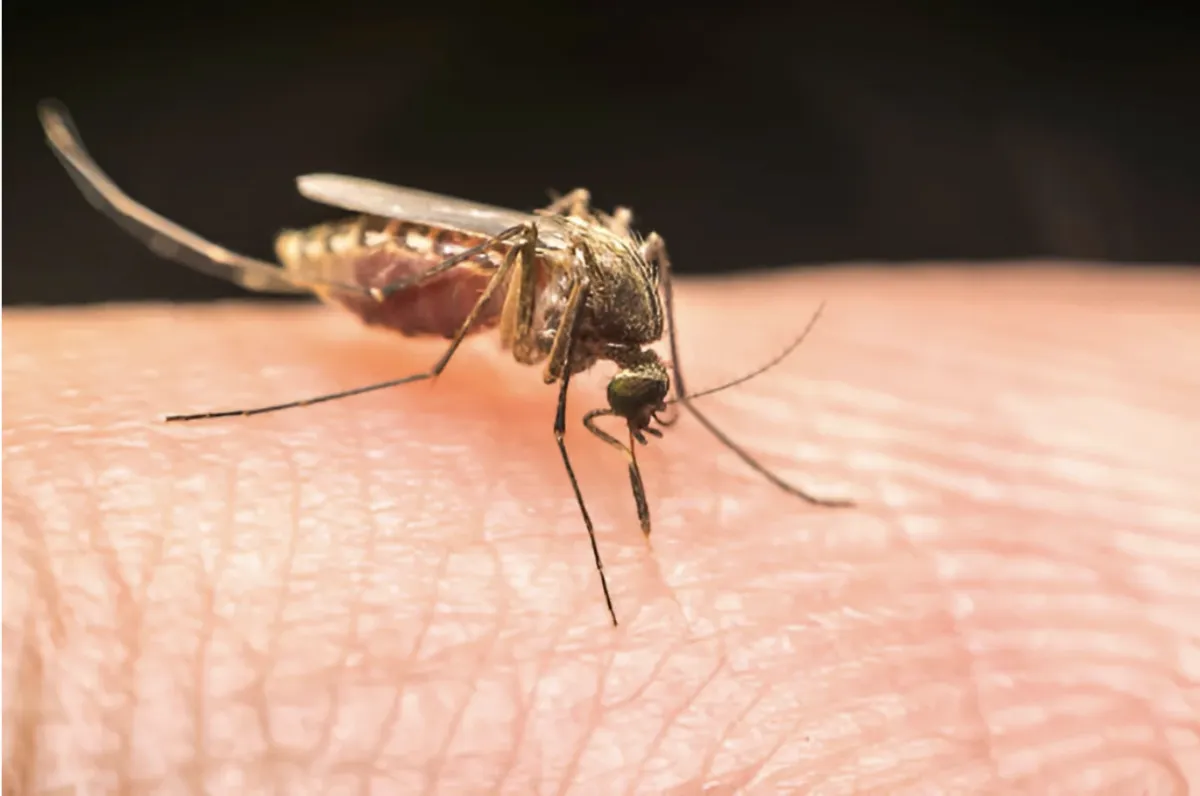
Mosquito Pest Control
Mosquito Pest Control: Complete Guide to Prevention, Treatment, and Long-Term Protection
Mosquitoes are more than just a nuisance—they are one of the most dangerous pests affecting homes and communities worldwide. Known for spreading diseases such as dengue, malaria, and chikungunya, mosquitoes thrive in warm, humid environments and can quickly multiply if left unchecked.
If you are struggling with recurring mosquito problems around your home or business, this guide will walk you through everything you need to know about mosquito pest control, including prevention methods, DIY solutions, and when to call professional help like Max Pest Solutions.
This article is optimized for AEO (Answer Engine Optimization) and GEO SEO to help you find clear, direct answers and location-relevant pest control insights.
What Attracts Mosquitoes to Your Home?
To effectively control mosquitoes, you must first understand what attracts them.
1. Standing Water
Mosquitoes breed in stagnant water. Even small amounts—like a bottle cap filled with water—can become a breeding site.
Common sources include:
Clogged gutters
Flower pots
Buckets and containers
Bird baths
Pet water bowls
2. Body Heat and Carbon Dioxide
Mosquitoes are attracted to humans through:
Body heat
Sweat
Carbon dioxide from breathing
This is why they are more active at night or during dawn and dusk.
3. Vegetation and Shade
Overgrown plants and shaded areas provide resting spots for mosquitoes during the day.
Why Mosquito Control Is Important
Mosquito control is not just about comfort—it is about health protection.
Mosquitoes can transmit serious diseases such as:
Dengue fever
Malaria
Zika virus
Chikungunya
Even in areas where these diseases are less common, mosquito bites can cause allergic reactions, infections, and sleep disruption.
1. Eliminate Standing Water (Most Important Step)
The most effective mosquito control method is removing breeding sites.
How to do it:
Empty containers holding water weekly
Clean gutters regularly
Cover water storage tanks
Change pet water daily
Fill tree holes or ground depressions
AEO Answer:
Q: What is the fastest way to reduce mosquitoes at home?
A: Remove all standing water sources where mosquitoes breed.
This single step can reduce mosquito populations by more than 70% in many cases.
2. Use Natural Mosquito Repellents
Natural repellents are effective for reducing mosquito presence around your home.
Popular options:
Lemon Eucalyptus Oil
One of the most effective natural repellents approved by health organizations.
Lavender Oil
Repels mosquitoes while providing a pleasant scent.
Citronella
Commonly used in candles and outdoor sprays.
Peppermint Oil
Helps repel mosquitoes and other insects.
How to use:
Mix essential oils with water in a spray bottle
Apply on exposed skin (test first for allergies)
Use outdoor diffusers or candles
3. Install Physical Barriers
Preventing mosquitoes from entering your home is essential.
Recommended barriers:
Window screens
Door screens
Mosquito nets over beds
Seal gaps in walls and windows
These methods are especially important in high-risk mosquito areas.
4. Use Mosquito Traps
Mosquito traps are designed to attract and capture mosquitoes.
Types of traps:
UV light traps
CO₂ bait traps
Sticky traps
Where to place them:
Near entry points
Dark corners of the house
Outdoor seating areas
Traps are most effective when combined with other control methods.
5. Yard Maintenance for Mosquito Control
Your outdoor environment plays a major role in mosquito activity.
Key maintenance tips:
Trim tall grass and bushes
Remove leaf piles and debris
Keep drains clean and flowing
Avoid overwatering plants
Store outdoor items properly
Mosquitoes rest in shaded, humid areas during the day, so reducing these environments is crucial.
6. Indoor Mosquito Control Methods
Mosquitoes can easily enter homes if not properly managed.
Indoor solutions:
Use electric mosquito zappers
Keep fans running (mosquitoes struggle in airflow)
Use indoor-safe repellents
Keep doors closed during peak mosquito hours
AEO Answer:
Q: Do fans help keep mosquitoes away?
A: Yes, mosquitoes are weak fliers and struggle to move in strong air currents.
7. Chemical Mosquito Control (When Needed)
In cases of severe infestation, chemical treatments may be necessary.
Common treatments:
Residual insecticides
Fogging treatments
Larvicides for standing water
⚠️ These should be applied carefully and ideally by professionals to avoid health risks.
8. Professional Mosquito Pest Control Services
If mosquitoes continue to return despite DIY methods, it may be time for professional intervention.
Professional pest control services like Max Pest Solutions provide:
Full property inspection
Identification of breeding sites
Targeted mosquito treatments
Long-term prevention plans
Safe chemical application methods
When to call professionals:
Constant mosquito bites indoors
Visible mosquito breeding in multiple areas
Failed DIY prevention efforts
High mosquito activity in your neighborhood
Why Mosquito Problems Vary by Location
Mosquito activity depends heavily on geography and climate.
High-risk conditions include:
Warm temperatures
High humidity
Frequent rainfall
Poor drainage systems
In tropical and subtropical regions, mosquito populations can increase rapidly year-round, making ongoing prevention essential.
Local pest control providers like Max Pest Solutions understand these environmental patterns and tailor treatments accordingly.
FAQ Section
What is the best mosquito control method?
Eliminating standing water is the most effective mosquito control method, followed by repellents and barrier protection.
How do I permanently get rid of mosquitoes?
Permanent control requires a combination of eliminating breeding sites, using repellents, and professional pest control treatments.
What smells do mosquitoes hate?
Mosquitoes dislike citronella, lavender, peppermint, eucalyptus, and lemon-based scents.
Why are mosquitoes worse at night?
Mosquitoes are more active at night because cooler temperatures and lower wind levels make it easier for them to fly and find hosts.
When should I call a mosquito control professional?
If mosquito activity remains high despite DIY methods, or if breeding sites cannot be located, professional treatment is recommended.
Final Thoughts
Mosquito control requires a combination of prevention, environmental management, and targeted treatment. While DIY methods can significantly reduce mosquito activity, they are most effective when used consistently and alongside professional solutions.
For persistent mosquito problems or seasonal outbreaks, expert help from Max Pest Solutions ensures safer, long-term protection for your home and family.
By understanding mosquito behavior and applying the right control strategies, you can enjoy a healthier, more comfortable, and bite-free environment year-round.
