Do New-Construction Johns Creek Homes Still Need Termite Protection?
Do New-Construction Johns Creek Homes Still Need Termite Protection?
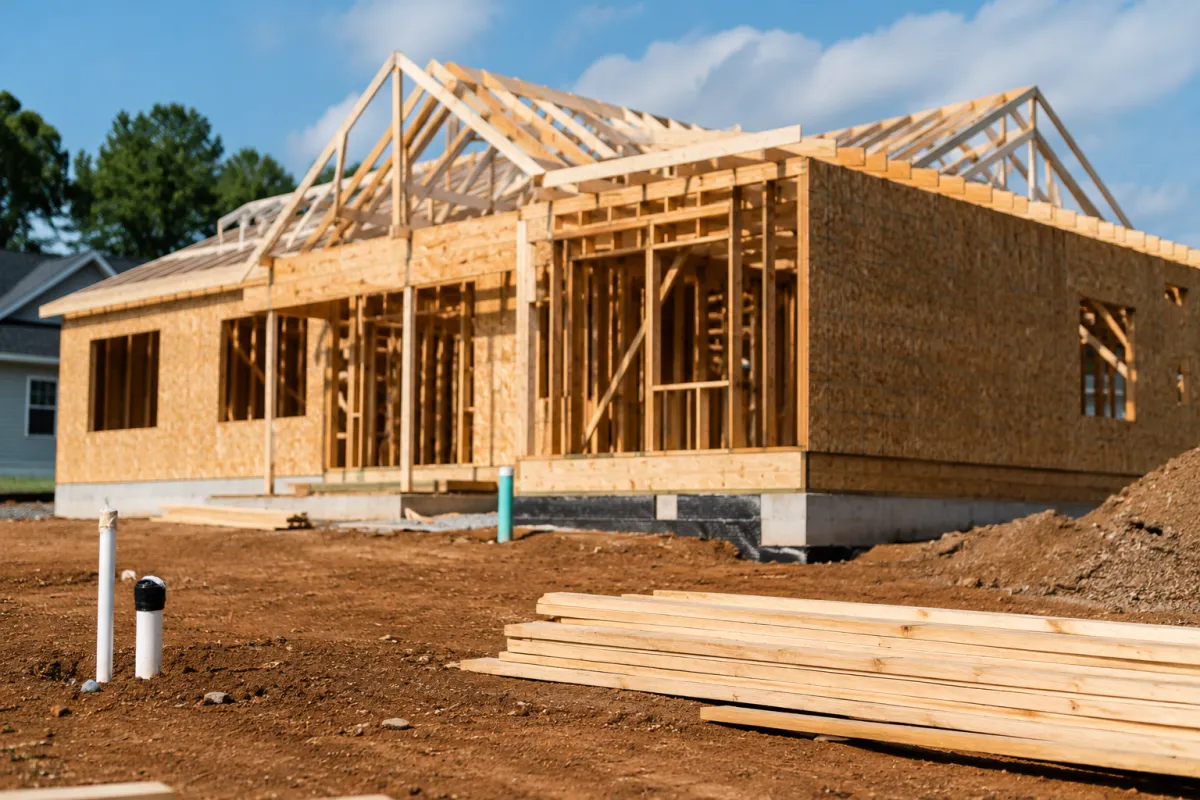
Johns Creek has seen a steady wave of new construction over the past several years, and it's easy to assume a brand-new home starts with a clean slate — no old wood, no history, nothing for termites to have found yet. That assumption is understandable, but it's incomplete. New construction doesn't remove the two things termites actually care about: wood and soil. In some ways, a newly built home is more exposed than an established one, at least until you understand what protection is already in place and what it takes to keep it active.
The Myth: "It's New, So I'm Covered"
Georgia sits within a HUD-designated high-risk termite zone, and most jurisdictions in this category require some form of termite pretreatment as part of the building code before a home can be certified for occupancy. That's genuinely good news — it means your new Johns Creek home almost certainly received some form of protection during construction. The mistake is treating that initial pretreatment as permanent. It's a strong start, not a lifetime guarantee, and the gap between those two ideas is exactly where new homeowners get caught off guard years later.
What Pretreatment Actually Is (and Isn't)
New construction termite protection typically takes one of a few forms:
Soil-applied termiticide, creating a treated chemical barrier in the ground beneath and around the foundation, applied after grading and compaction but before the slab is poured
Borate-treated framing lumber, where a wood-penetrating treatment is absorbed directly into structural framing and remains effective for the life of that treated wood
Bait station systems, installed around the home's perimeter after construction to intercept foraging termites before they reach the structure
Builders are generally expected to document which method was used and when — a record worth specifically requesting if you bought a newer Johns Creek home and aren't certain what protection exists.
Why New Construction Is Sometimes MORE Vulnerable
This is the part that surprises most homeowners: the construction process itself can temporarily increase termite risk rather than eliminate it.
Disturbed soil from excavation and grading breaks up the ground around the property, which can extend a nearby colony's foraging range toward the new structure.
Newly milled, untreated framing lumber is genuinely more appealing to termites than older wood — it lacks the paints, sealants, and protective finishes that make established homes somewhat less accessible.
Construction debris, including leftover form boards, grade stakes, and scrap lumber, sometimes ends up buried or left in contact with soil near the foundation, creating an unintentional food source close to the house.
Timing overlap with swarm season. Homes built or occupied during spring swarm season face slightly elevated exposure simply due to timing, since that's when nearby colonies are actively sending out new reproductives.
None of this means new construction is a bad bet — it means the pretreatment applied during the build is addressing real, active risk factors, not a hypothetical one.
Pretreatment Wears Off — Here's the Timeline
Soil-applied chemical barriers are effective but not indefinite — they typically break down over roughly five years and require reapplication to stay effective. Landscaping projects, additions, deck installations, and even significant regrading after move-in can physically disturb the treated soil zone, creating gaps in the barrier well before the five-year mark in some cases. A home is not permanently protected the day it's built; it's protected on a timeline that needs active maintenance to continue.
What to Ask Your Builder or Check Before Move-In
What pretreatment method was used, and is there documentation?
Is there an active termite bond or warranty, and is it transferable if you're not the original owner?
When was the treatment applied, so you know roughly where you are on the effectiveness timeline?
Has any landscaping, grading, or addition work happened since the original treatment that could have disturbed the treated soil zone?
If you're buying a newer home secondhand rather than directly from a builder, these same questions apply — a termite bond doesn't always transfer automatically, and confirming its status before closing is far easier than discovering a gap in coverage after an infestation.
Signs Worth Watching For in a New Home
Even with active pretreatment, it's worth knowing what to look for:
Mud tubes along the foundation, especially near areas where landscaping or grading occurred after construction
Winged swarmers or discarded wings near windows or doors, typically March through May
Any wood-to-soil contact around the exterior — mulch piled against siding, deck posts set directly in soil, or firewood stacked against the foundation — since these conditions can allow termites to bypass a soil barrier entirely
New landscaping or hardscaping work that involved digging near the foundation, which is worth flagging for a follow-up inspection given its potential to disturb the treated zone
FAQ SECTION
Q: Do new construction homes in Johns Creek already have termite protection? A: Almost certainly, yes. Georgia is in a HUD-designated high-risk termite zone, and most jurisdictions here require pretreatment — typically soil-applied termiticide, borate-treated lumber, or a bait system — as part of the building code before a home can be occupied.
Q: How long does new construction termite pretreatment last? A: Soil-applied chemical barriers typically remain effective for around five years before requiring reapplication, and that timeline can shorten if the treated soil zone is disturbed by landscaping, additions, or regrading after move-in.
Q: Is a new home actually more at risk for termites during construction? A: In some ways, yes. Disturbed soil, newly milled untreated framing lumber, and construction debris left near the foundation can all temporarily increase termite exposure during and immediately after the building process, which is exactly why pretreatment is applied at that stage.
Q: How do I find out what termite protection my new Johns Creek home already has? A: Ask the builder (or, for a resale, the seller) for documentation of the pretreatment method and date, and confirm whether an active termite bond exists and whether it's transferable. A pest control provider can also inspect and advise on current protection status.
Q: Does landscaping after move-in affect my home's termite protection? A: It can. Digging, regrading, or adding features like decks or garden beds near the foundation can disturb a soil-applied treatment barrier, creating gaps in coverage before the treatment's typical effectiveness window would otherwise end.
Not Sure What Protection Your New Home Has?
A quick inspection can confirm exactly what was applied during construction, how much life it has left, and whether any post-construction work may have compromised it.
Have a pest problem? Call Max Pest Solutions at 404-424-9200.
